How heated floors work
A thin electric heating cable or mat is laid over the subfloor and set in mortar or a thin layer of self-levelling compound. The tile goes on top. A thermostat on the wall reads a sensor in the floor and keeps the tile at the temperature you set.
There is nothing to see, nothing to hear, and nothing to maintain. You just stop wearing slippers.
Where it makes the most sense
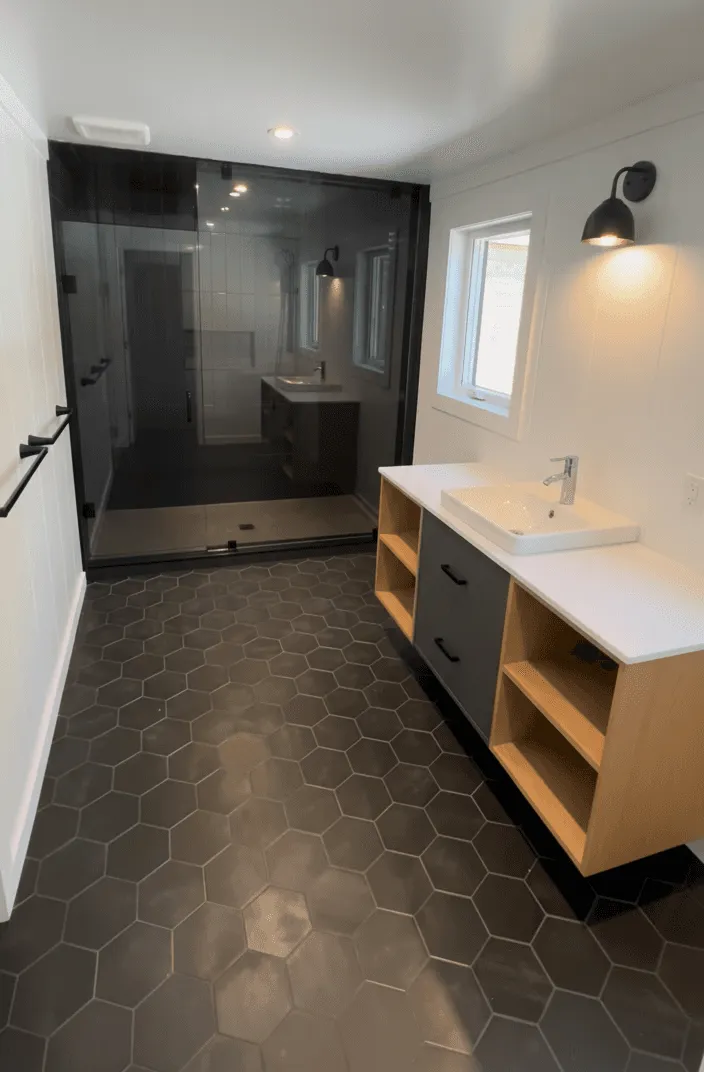
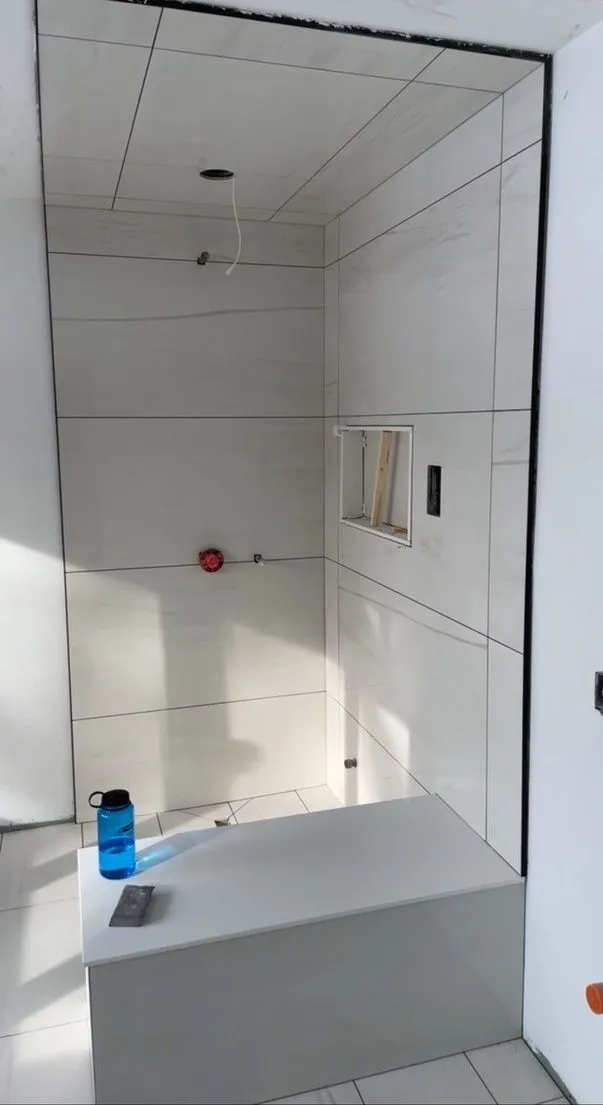
- Bathrooms and ensuites. The classic. Warm tile when you step out of the shower.
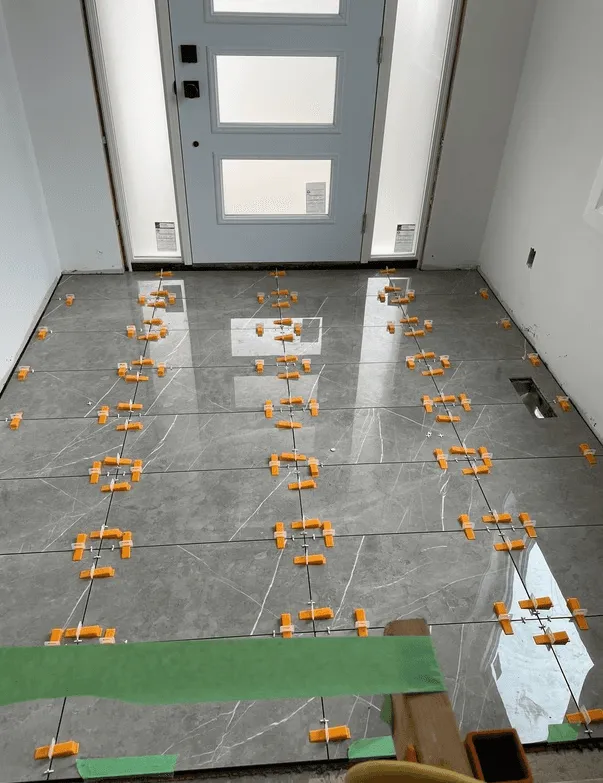
- Entryways and mudrooms. Dries off snow and slush from boots faster and takes the edge off a cold front hall.
- Basements. Tile over a concrete slab is cold year-round without it.
- Kitchens. Comfortable underfoot where you stand the longest.
The best time to add it
Floor heating goes under the tile, so it is easiest and cheapest to add when the floor is being retiled anyway, during a bathroom renovation or a new tile floor. Adding it later means taking the tile back up.
Thermostats
Programmable and Wi-Fi thermostats let you warm the floor before your alarm goes off and switch it off while you are at work or away for the week. If the house is a chalet or a cottage, you can warm the floors on the drive up.